When Is the Best Time to Trade In Your Vehicle?

If you're thinking about getting a different vehicle, you may be wondering whether you should trade yours in now or keep driving it a little longer.

There isn't one perfect time to trade in a vehicle. Mileage, condition, market demand, how much you still owe, and your own needs can all affect the decision. Knowing what to watch for can help you decide when it makes sense to get a trade-in value.

1. Before Your Mileage Gets Significantly Higher

Mileage is one of the factors used to determine a vehicle's value. Generally, a vehicle with fewer miles may be worth more than an otherwise similar vehicle with significantly higher mileage.

That doesn't mean you need to trade your vehicle before it reaches a particular number on the odometer. But if you're already considering upgrading and expect to put a lot of miles on your vehicle soon, it may be worth checking its current value first.
2. While Your Vehicle Is Still in Good Condition

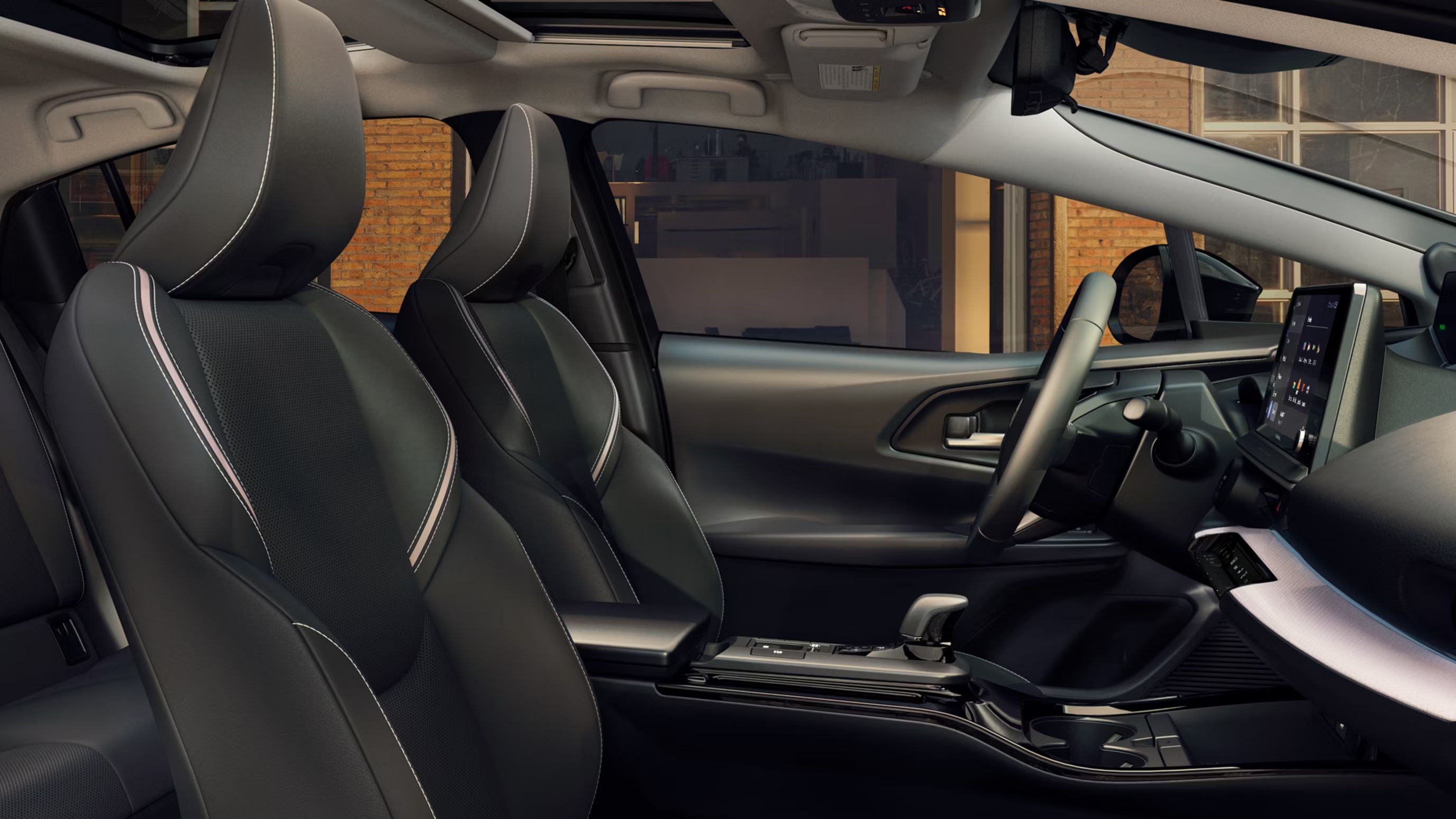
Condition matters when a dealership evaluates a trade.

Exterior damage, interior wear, mechanical problems, warning lights, tire condition, accident history, and maintenance can all affect the value.

Trading while your vehicle is still in good overall condition may help preserve more of its value compared with waiting until it needs significant repairs.

3. When You Have Positive Equity

Your vehicle's value and your loan balance are two different numbers.

If your vehicle is worth more than you currently owe, you have positive equity. That equity may be applied toward the purchase of your next vehicle.

For example:

Estimated Trade Value

Loan Balance

Estimated Equity

$25,000

$18,000

$7,000

$20,000

$20,000

$0

$18,000

$22,000

-$4,000

If you owe more than the vehicle is worth, that's called negative equity. You may still be able to trade the vehicle, but the remaining balance will need to be addressed as part of the transaction.

When Will the 2027 Toyota Tacoma Be Available?

Sometimes the best reason to trade has nothing to do with the market.

Maybe you need more passenger space. Maybe your commute changed. You might need a truck for towing, an SUV with AWD, better fuel efficiency, or simply something newer.

If your current vehicle no longer works well for your lifestyle, it may be worth comparing what you have with your available options.

5. Before Major Repairs Become a Factor

An older vehicle isn't automatically a bad vehicle. Plenty of well-maintained vehicles can stay on the road for many years.

But if repairs are becoming more frequent or you're approaching a major repair you don't want to make, it may be worth finding out what the vehicle is currently worth.

That gives you actual numbers to compare before deciding whether to repair it or trade it.

Should You Wait for Your Vehicle to Be Paid Off?

You do not necessarily have to pay off your vehicle before trading it in.

The dealership can determine your current payoff amount and compare it with the vehicle's trade value. Positive or negative equity can then be accounted for when structuring the next transaction.

Waiting until the loan is paid off may make sense for some owners, but it isn't a requirement for trading.

Find Out What Your Vehicle Is Worth

If you're considering trading your vehicle, you don't have to guess about the timing. Knowing its current value, loan payoff, and available equity gives you much better information for deciding what to do next.

Thinking about trading in your current vehicle? Visit phillongtoyota.com to value your trade, explore current inventory, or contact Phil Long Toyota to discuss your options.

Disclaimer: Trade-in values vary based on vehicle condition, mileage, equipment, history, market conditions, demand, inspection, and other factors. Vehicle valuations and examples in this article are for general informational purposes only and do not represent a guaranteed trade-in offer. Financing and the treatment of existing loan balances are subject to lender approval and applicable terms. Contact Phil Long Toyota for information specific to your vehicle and transaction.