
How to Prepare Your Car for Winter: A Complete Checklist

Cold temperatures, snow, ice, and changing road conditions can put extra stress on your vehicle. Preparing your car before winter arrives can help reduce unexpected breakdowns, improve visibility, and keep your vehicle performing reliably throughout the colder months.

Whether you experience heavy snowfall or just occasional freezing temperatures, a few important maintenance checks can make a big difference.

1. Check Your Tires

Your tires play a major role in maintaining traction during winter driving.

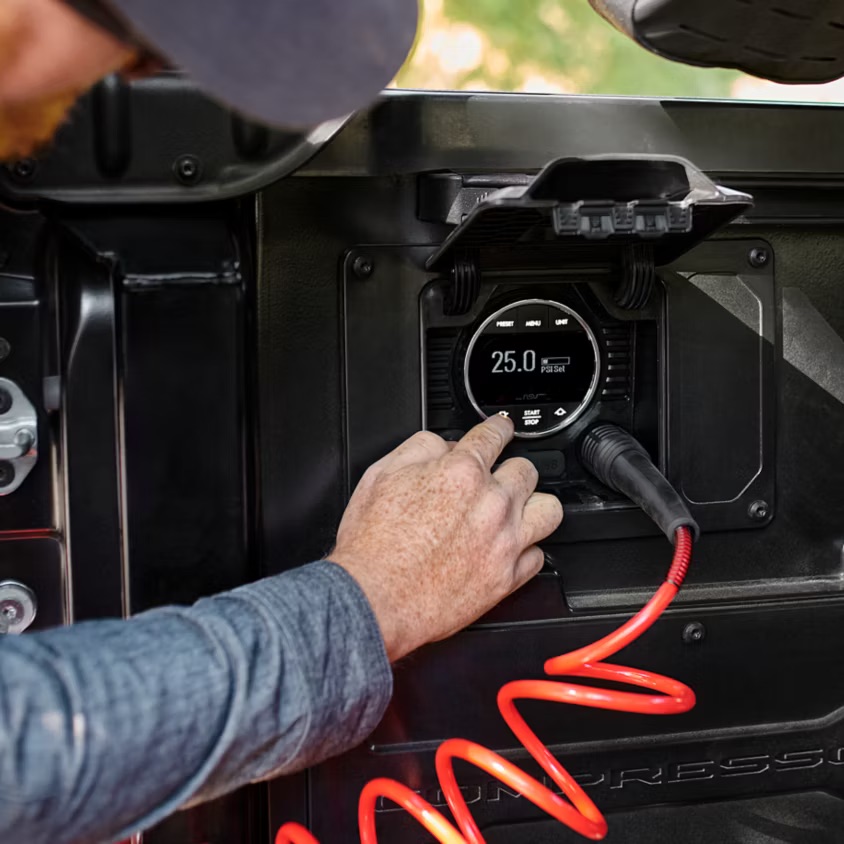
Before temperatures drop, check your tire tread depth, tire pressure, and overall condition. Cold weather can cause tire pressure to decrease, so regular checks become especially important.

If you regularly drive in snow or icy conditions, consider whether dedicated winter tires would be appropriate for your vehicle and driving habits.

2. Test Your Battery

Cold weather can make an already weakened battery more likely to fail.

Have your battery tested before winter, especially if it's several years old or you've noticed slow engine starts. Checking the battery terminals for corrosion and ensuring connections are secure can also help prevent starting problems.
3. Inspect Your Brakes

Winter roads can make stopping more challenging, which makes properly functioning brakes essential.

If you notice squeaking, grinding, vibration, or changes in braking performance, have your braking system inspected. Brake pads, rotors, and brake fluid condition should all be considered during routine maintenance.

4. Check Your Fluids

Several vehicle fluids deserve attention before winter:

  • Engine coolant: Helps protect your engine against freezing and overheating.

  • Windshield washer fluid: Use a winter-rated formula appropriate for expected temperatures.

  • Engine oil: Follow your manufacturer's recommended oil viscosity and maintenance schedule.

  • Brake fluid: Have its condition checked according to your vehicle's maintenance recommendations.

Always use fluids that meet your vehicle manufacturer's specifications.

5. Replace Worn Wiper Blades

Snow, road spray, and winter grime can make it difficult to see clearly.

Inspect your windshield wipers for cracking, streaking, or poor contact with the glass. Replacing worn blades before winter weather arrives can improve visibility when you need it most.

Make sure your windshield defroster and heating system are also functioning properly.

When Will the 2027 Toyota Tacoma Be Available?

Winter often means shorter days and reduced visibility.

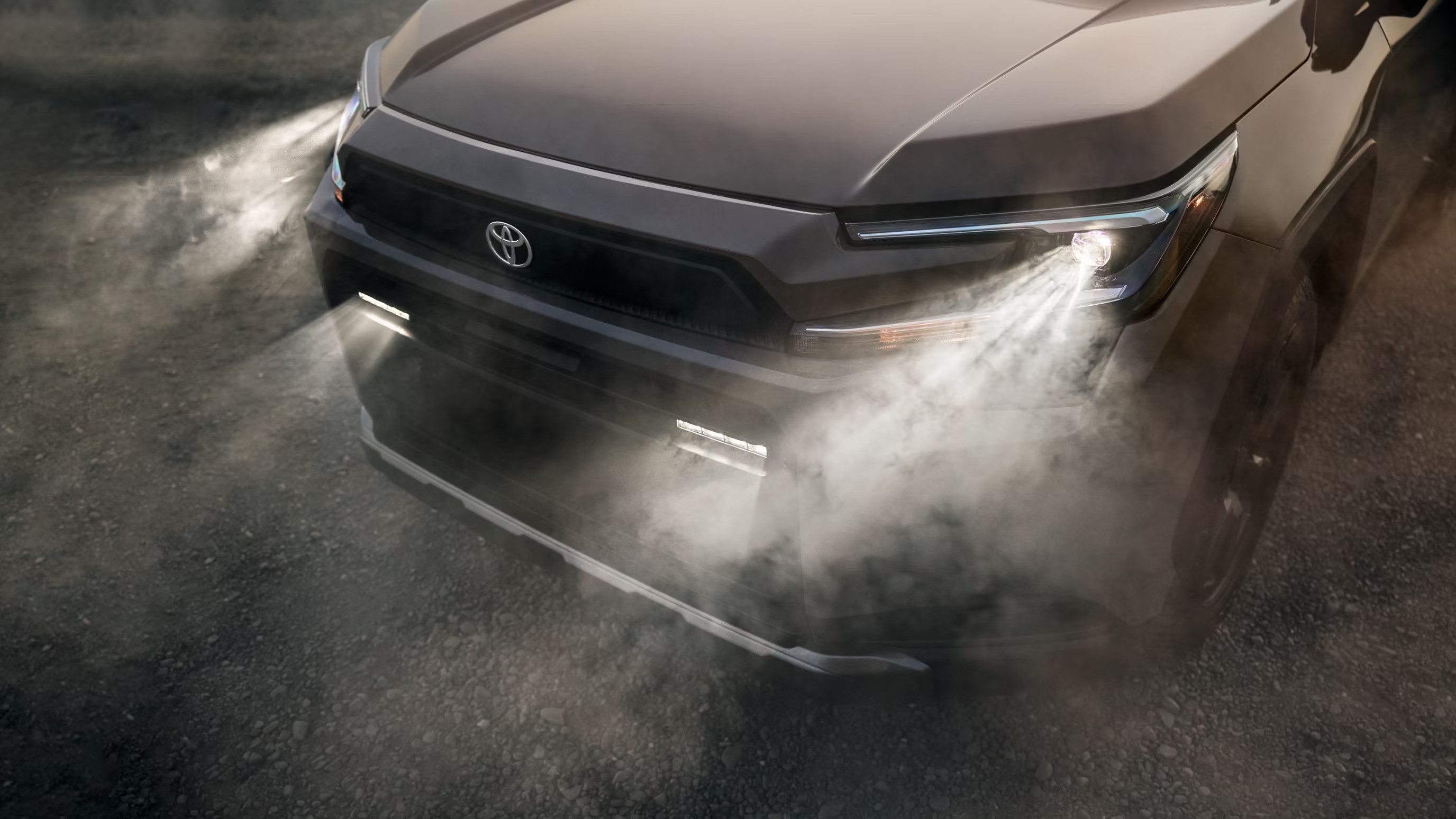
Check your headlights, brake lights, turn signals, and taillights to make sure everything works correctly. Clean dirty lenses and replace any bulbs that are no longer functioning.

7. Keep an Emergency Kit in Your Vehicle

Even a well-maintained vehicle can encounter unexpected weather or road closures.

Consider keeping blankets, warm clothing, a flashlight, phone charger, drinking water, nonperishable snacks, an ice scraper, and basic emergency supplies in your vehicle.

For longer winter trips, check road conditions and weather forecasts before leaving.

Does AWD or 4WD Make Winter Driving Safer?

All-Wheel Drive and Four-Wheel Drive can improve traction when accelerating on slippery surfaces, but neither system guarantees better stopping or cornering performance.

Proper tires, safe speeds, adequate following distance, and careful driving remain essential regardless of your drivetrain.

Get Your Vehicle Winter-Ready at Phil Long Toyota

Preparing your vehicle before the first major cold snap can help you identify maintenance needs early and drive with greater confidence throughout winter.

Ready to get your vehicle winter-ready? Visit phillongtoyota.com to schedule service, explore maintenance options, or contact the Phil Long Toyota team for assistance.

Disclaimer: Maintenance needs and service intervals vary by vehicle, model year, driving conditions, and manufacturer recommendations. This article provides general vehicle maintenance information and does not replace a professional inspection or your vehicle owner's manual. Contact Phil Long Toyota for recommendations specific to your vehicle.