AWD vs. 4WD: What’s the Difference and Which One Do You Need?

If you're shopping for a vehicle, you've probably seen both AWD and 4WD listed as options. They may sound similar, but they're designed to handle different driving situations.
Understanding how each system works can make it easier to decide which one fits your everyday driving, weather conditions, and vehicle needs.

AWD vs 4WD

What Is AWD?

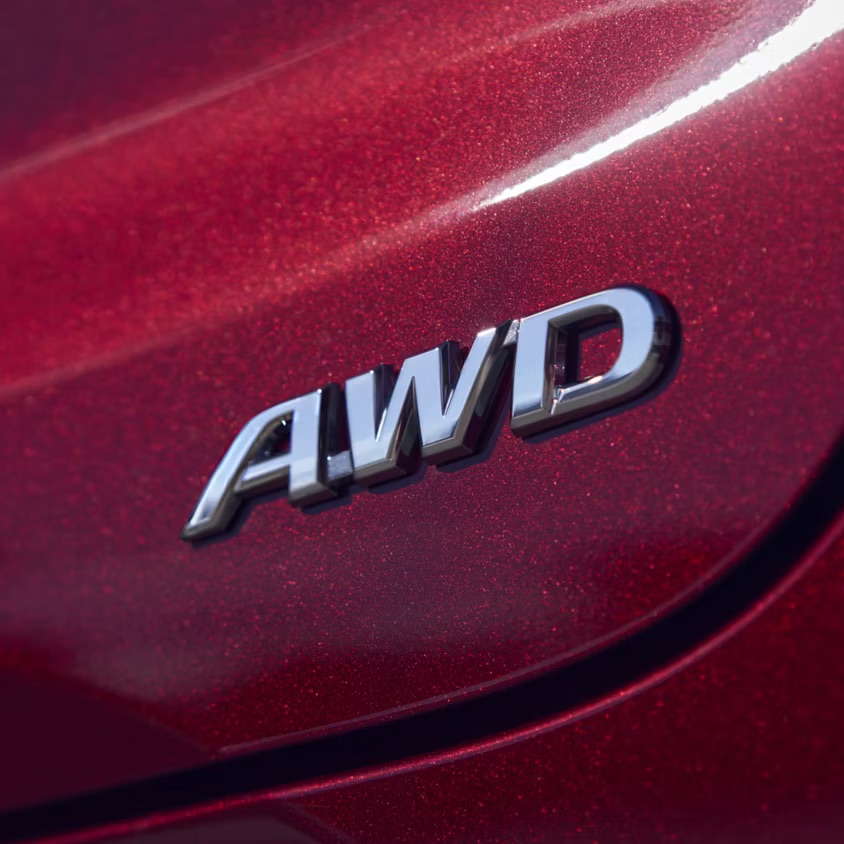
All-Wheel Drive (AWD) is designed to send power to all four wheels when additional traction is needed. Many modern AWD systems work automatically, adjusting power between the wheels based on traction and driving conditions.

AWD can be especially useful for:

  • Rain, snow, and icy roads

  • Everyday driving in changing weather

  • Mountain and highway driving

  • Drivers who want added traction without manually engaging a system

Because AWD generally operates automatically, it's a popular option for cars, crossovers, and SUVs used for everyday driving.

What Is 4WD?

Four-Wheel Drive (4WD or 4x4) is generally designed for more demanding driving conditions and terrain.

Depending on the vehicle, a 4WD system may allow the driver to select modes such as 2WD, 4HI, or 4LO. Vehicles equipped with low-range gearing can provide additional control and torque at lower speeds.

4WD is commonly useful for deep snow, mud, off-road trails, steep terrain, and rough or unmaintained roads.

Quick Comparison: AWD vs. 4WD


AWD

4WD

Best For

Everyday driving & changing weather

Rugged terrain & demanding conditions

Snow & Ice

Great for snowy and icy paved roads

Great for deep snow and unplowed roads

Off-Roading

Light-duty capability depending on vehicle

Better suited for challenging terrain

Driver Input

Usually operates automatically

May allow the driver to select 4WD modes

Low Range

Typically not included

Available on many 4WD systems

Common In

Cars, crossovers & SUVs

Trucks & off-road-focused SUVs

When Will the 2027 Toyota Tacoma Be Available?

Both AWD and 4WD can improve traction in winter conditions, but the better option depends on where you drive.

AWD is often a practical choice for snowy or icy paved roads because the system can automatically respond when traction changes.

4WD may be more useful in deep snow, on unplowed roads, or when driving in more challenging terrain.

It's also important to remember that AWD and 4WD primarily help a vehicle gain traction. Neither system can replace appropriate tires or safe driving. Your tires still play a major role in braking, cornering, and maintaining control.

Which One Should You Choose?

Consider the roads and conditions you encounter most often. If most of your driving happens on paved roads and you want additional traction for snow, rain, or changing weather, AWD may make the most sense.

If you regularly drive on rough roads, encounter deep snow or mud, travel off-road, or need additional low-speed capability, a 4WD vehicle may better match those needs.

There isn't one drivetrain that's right for every driver. The best fit depends on the specific vehicle and how you plan to use it.

Compare AWD and 4WD Vehicles at Phil Long Toyota

Still deciding between AWD and 4WD? The team at Phil Long Toyota can help you compare vehicles, drivetrain systems, features, and capabilities so you can find an option that fits your needs.

Ready to start shopping? Visit phillongtoyota.com  to explore current inventory or contact Phil Long Toyota to find the right vehicle for you.

Disclaimer: Drivetrain systems, capabilities, features, and operation vary by vehicle, model year, trim level, and configuration. AWD and 4WD can improve traction in certain conditions but do not prevent loss of control and do not replace safe driving practices or appropriate tires. Always consult the vehicle owner's manual for information specific to your vehicle.